


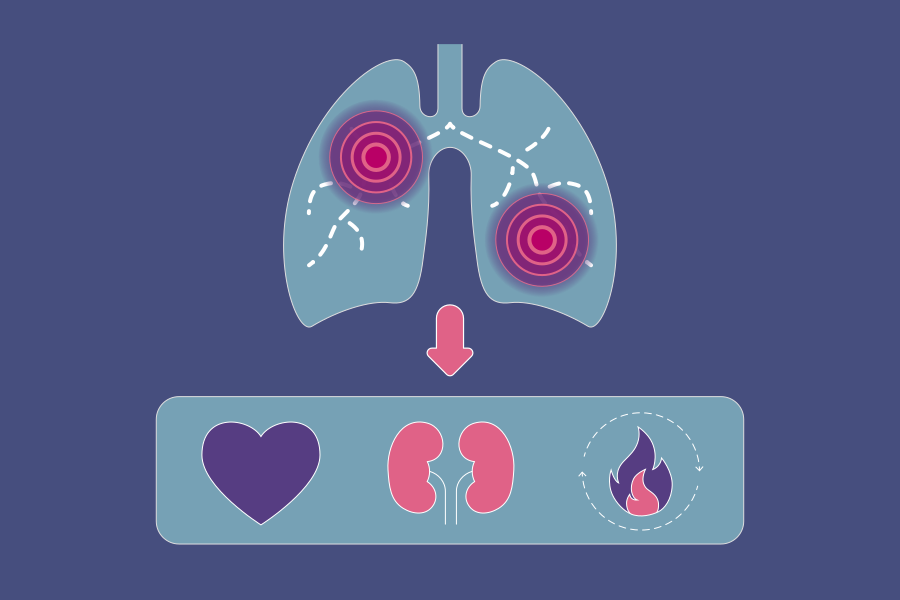
Asthma enhanced the risk of advanced cardiovascular-kidney-metabolic (CKM) syndrome in a study of over 22,000 adults in the United States.
CKM syndrome is a newly recognized condition with multistage and multisystem effects. Higher stage CKM syndrome is linked to an increased risk of mortality. Patients with asthma as well had an 86% higher likelihood of being in advanced stages of CKM syndrome.
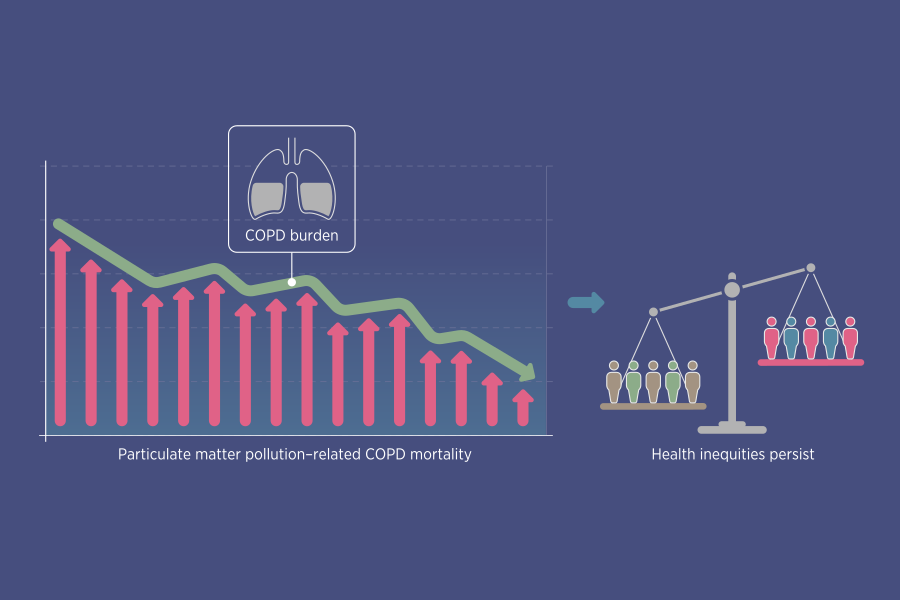
In the first study of the global burden of COPD due to particulate matter pollution, the number of deaths decreased over time, but persistent health inequities remain.
Particulate matter pollution was estimated to cause 1.54 million COPD deaths from 1990 to 2021. Despite this downward trend in COPD mortality, men, older adults and populations in low sociodemographic index regions were at higher risk.
Exposure to urban environmental factors can increase the risk of developing asthma over the course of life, according to a large study in Europe.
Air pollution, lack of green space and densely built environments were associated with the risk of developing asthma. When these 3 factors were combined into a single environmental risk score, asthma risk rose by 13% in children and 15% in adults for each 20% increase in the score.

A survey of over 400,000 individuals in the United States highlights the low levels of physical activity among some people with COPD.
Almost half (45%) of individuals with COPD said they had not engaged in physical activity over the previous month, compared with approximately one-fifth (22%) of people who did not have COPD. These findings underscore the need to support patients with COPD to become more active.

A digital therapeutics toolkit improved outcomes and reduced health inequalities for people with asthma in Wales.
The Asthmahub app for adults includes a care plan and symptom checker. Four or more months of app use in over 11,000 patients resulted in improvements in asthma control. After 1 year of use, improvements were particularly pronounced in those from socioeconomically deprived areas.

Modelling by researchers in China suggests biomarkers of ageing may help predict COPD exacerbations.
Biological age (calculated from biomarkers) and biological acceleration (biological age greater than actual age) were better at predicting risk of COPD exacerbation than actual age. This first model to integrate both parameters indicates their potential for predicting COPD exacerbations.

In a UK Biobank study of nearly 300,000 people, loneliness and social isolation increased the risk of developing COPD.
Smoking, low physical activity and unhealthy drinking or dietary habits partially mediate but do not fully explain the association of loneliness or social isolation with COPD. Nevertheless, lifestyle improvements as well as enhancing social connections may help reduce the risk of COPD.

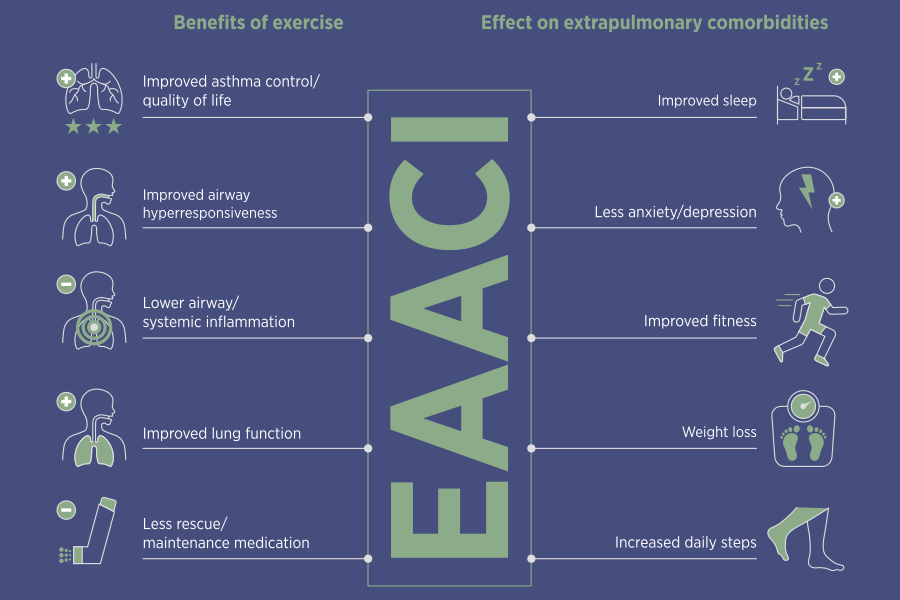
The European Academy of Allergy and Clinical Immunology (EAACI) has issued guidance on incorporating exercise prescription into asthma management.
The recommendations help to form a toolkit that gives advice from initial assessment of an individual with asthma, through to using technology in exercise promotion. The toolkit also includes how to start an exercise programme and ways to minimize risk, such as avoiding pollutants and allergens.
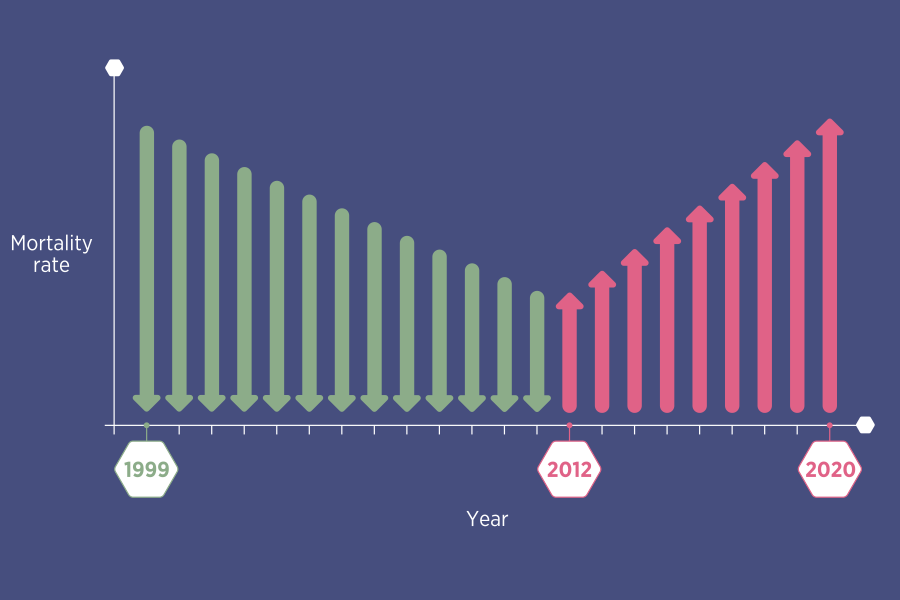
A pharmacist-managed outpatient clinic improved medication adherence for patients with COPD.
A clinic in China provided over 700 patients with structured education on adherence and medication use and established a system to monitor and follow-up on adherence. More patients became moderately adherent, and lung function improved.

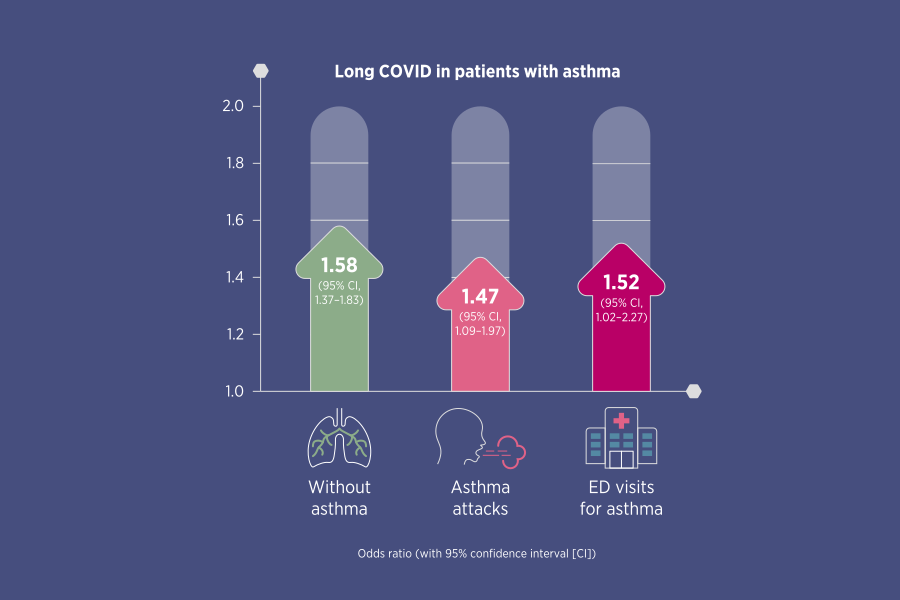
Patients with asthma and poor asthma control are more likely to have long COVID.
The prevalence of long COVID was twice as high for those with asthma (15.2%) than for those without asthma (7.6%) in a large study in the United States. People with asthma attacks and emergency department (ED) visits for asthma also had a greater likelihood of long COVID.
A standardized asthma care pathway implemented in emergency departments in Canada reduced repeat visits for asthma.
This pathway reduced repeat emergency department visits at teaching hospitals but not at community hospitals. This may have been because these smaller hospitals did not have as much support for pathway uptake. Nevertheless, the findings justify investments to overcome barriers to using this pathway.

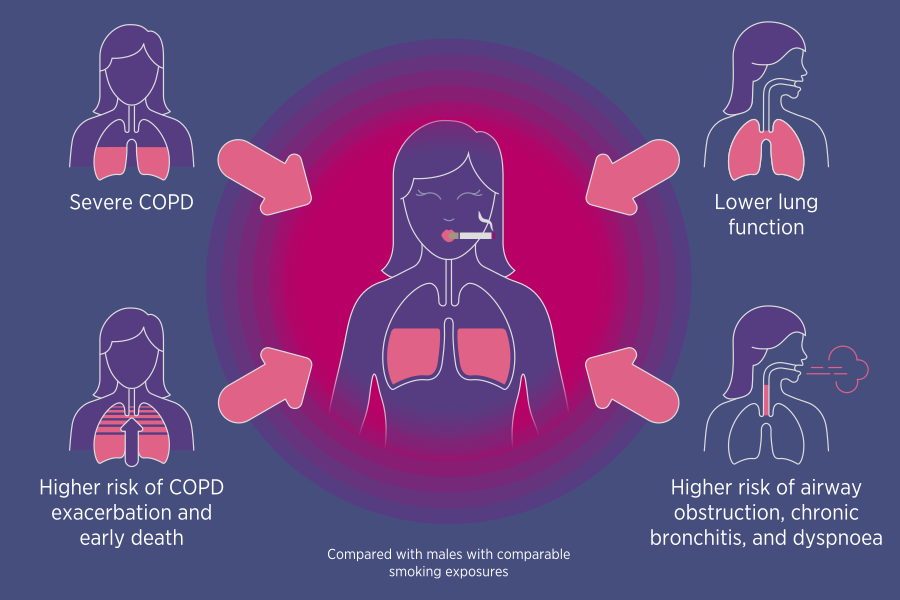
A large study in Denmark suggests that females are more susceptible to the harmful effects of smoking in relation to COPD than males.
Despite comparable smoking exposure, females tend to have much more severe disease than males. Females also have a poorer prognosis, and higher risks of COPD exacerbation and early death with higher smoking exposure.
A large French study of indoor mould and asthma is the first to show the impact of mouldy area size on asthma.
There were greater risks of current asthma and increased asthma symptom score with increasing mouldy area size. The risks were increased even with spots of mould. The study also found that visible mould was associated with uncontrolled asthma.

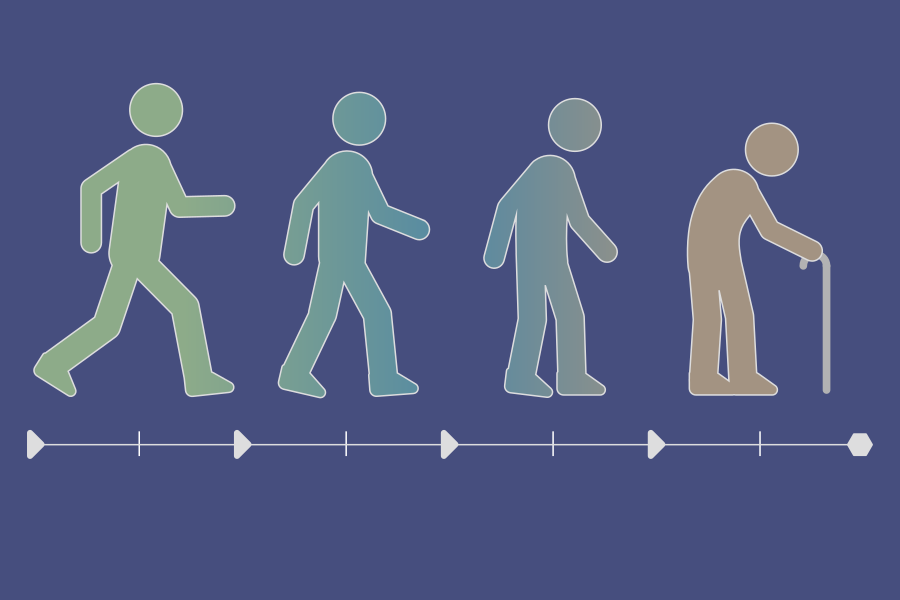
A study of 549 people with COPD in 6 European countries using state-of-the-art technology is the first to comprehensively characterize gait in real-world settings.
As COPD advanced, people walked more slowly, took shorter steps and the number of steps per minute (cadence) fell. Walking speed and cadence were lower compared with healthy peers.
CC-MED-3-03/2026
Διαμοιρασμός περιεχομένου