Το περιεχόμενο στο οποίο προσπαθείτε να αποκτήσετε πρόσβαση προορίζεται μόνο για επαγγελματίες υγείας

Innovations #1 - Τάσεις και καινοτομίες στο Αναπνευστικό

Πρόσφατες εξελίξεις που αφορούν καινοτομίες στο Αναπνευστικό, επιλεγμένες από την ομάδα καινοτομίας της Chiesi (Chiesi Global Medical Affairs Innovation Team)

15 λεπτά

Online lung tracker for early detection of abnormal lung function

Physicians can enter lung function measurements into a free online tracker that compares lung function to expected values. Catching deterioration early may allow for prompt interventions and optimized management. The tool can be used to monitor lung health over time, empowering patients with knowledge to support self-care.

Virtual COPD Ward connects patients with healthcare professionals in real time
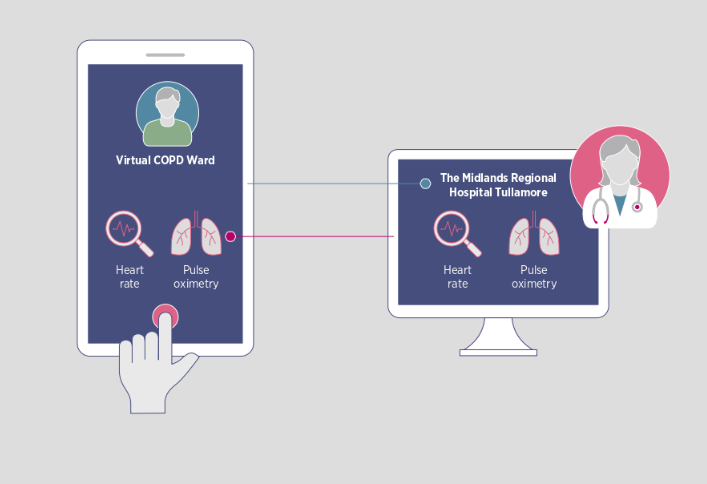
People with COPD in Ireland are being empowered by a user-friendly app to take an active role in managing their condition. Daily monitoring of health and symptoms at home can trigger instant alerts to healthcare professionals. Timely intervention may prevent escalation and reduce hospital admissions, improving quality of life and health outcomes.

Non-invasive breath-based device for deep lung sampling may aid early asthma diagnosis

A device that may help diagnose asthma and other lung conditions using a patient’s breath sample is being commercialized.
The devices elects droplets from the deep lung, potentially providing a fast, non-invasive and cheaper alternative to endoscopy. It is hoped that this device may accelerate asthma diagnosis leading to earlier intervention.

Enhancing well-being and end-of-life care in advanced COPD
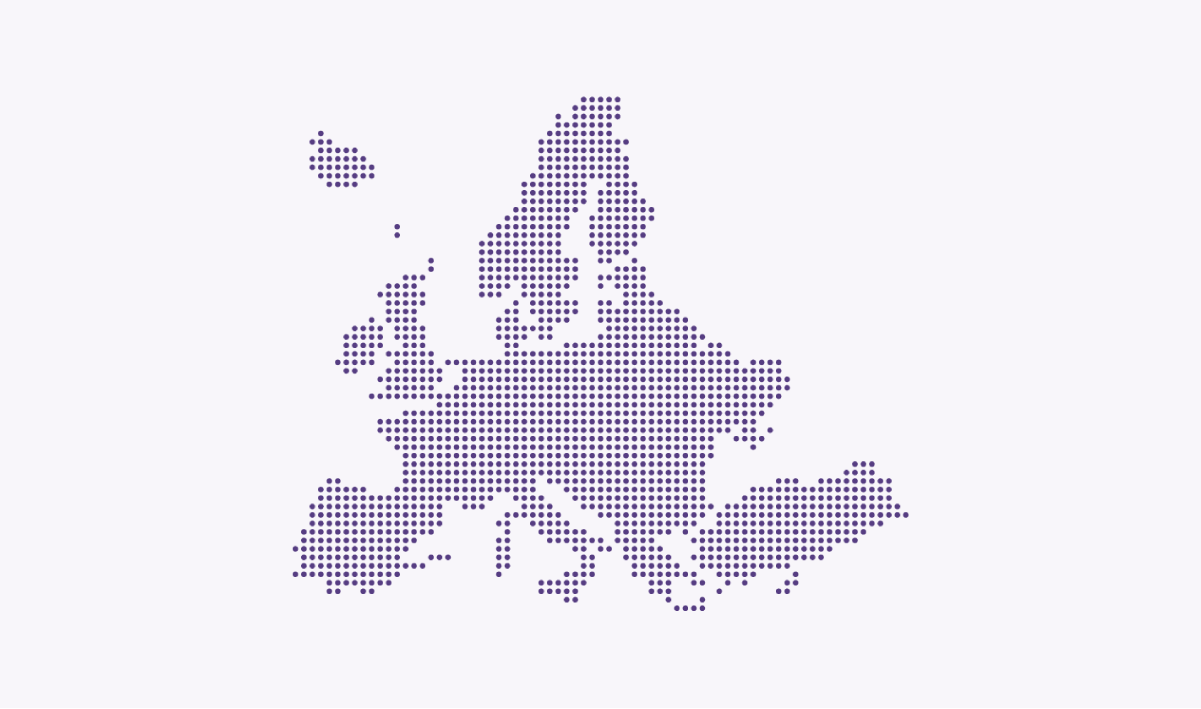
EU PAL-COPD is a large-scale international project aiming to progress the integration of palliative care for those living with advanced COPD. EU PAL-COPD is trialling a non-pharmacological person-and-family-centred intervention model called ICLEAR-EU across 6 European countries.
It is hoped ICLEAR-EU will empower patients in shared decision-making and enhance collaboration of respiratory, palliative care and primary care teams.

Helping patients take an active role in their asthma management through a wearable device
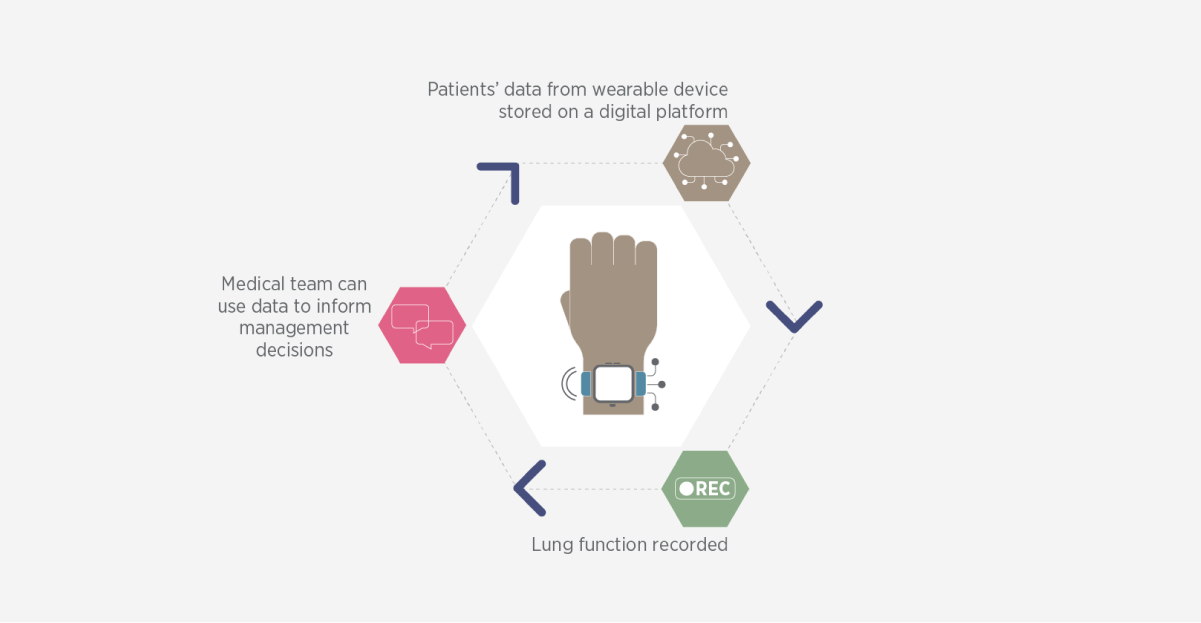
A new approach to asthma management is being tested, combining a wearable device, a home spirometer and an integrative e-platform.
Recording of sleep pattern, pulse rate, activity levels and lung function for 6 months gives clinicians an objective dataset on a patient’s health. This information can be used to detect changes and, if necessary, alter patient management.

AI risk prediction model for paediatric asthma care being tested in health centres

PCCI* and Parkland Health in Dallas, TX, USA, have deployed their AI risk prediction model leveraging electronic health records (EHR) for children with asthma.
The model identifies children at risk for progression and gives providers immediate access to risk reports. The model is integrated into Parkland’s EHR** data and can trigger point-of-care alerts for patients. The model has been effective in preventing emergency department and hospital admissions for asthma. A 3-year grant has been awarded to PCCI and Parkland to see how the model performs in 2 other centres.
 
*PCCI: Parkland Center for Clinical Innovation
**EHR: Electronic Health Records

World-first trial of predictive AI in COPD care
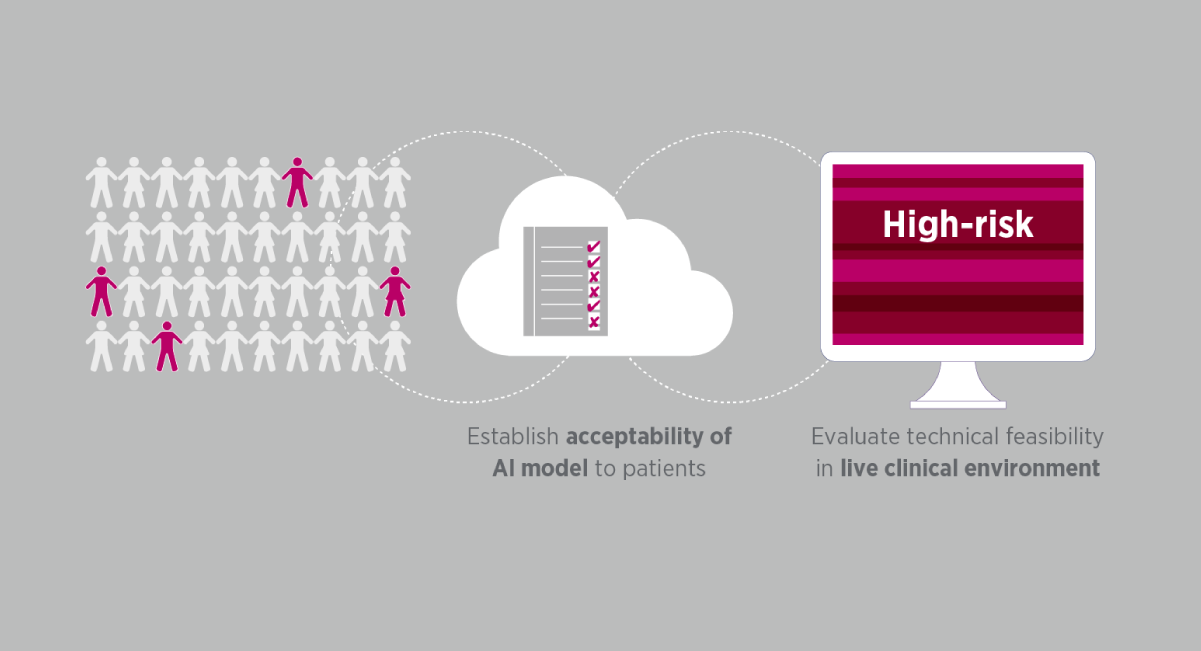
A year-long trial is investigating if machine learning models can be used to detect deteriorations in COPD in clinical practice. By delivering insights to clinicians in real time, the models could aid timely interventions and prevent emergency hospital admissions.

Alternative to spirometry for diagnosing asthma and viral wheeze in young children

A remote patient-monitoring solution, N-Tidal, can detect respiratory conditions using machine learning. It has been recognized as an innovation that could improve the health of children and awarded funding for a pilot study.
N-Tidal is a fast-response capnometer that measures CO2 levels during normal breathing patterns and delivers AI-derived insights to clinicians at the point of care. The pilot study is determining if N-TIDAL can detect changes in the lungs associated with airway obstruction in young children and how the device could be used in clinical practice.

The Asthma 4 care bundle has landed

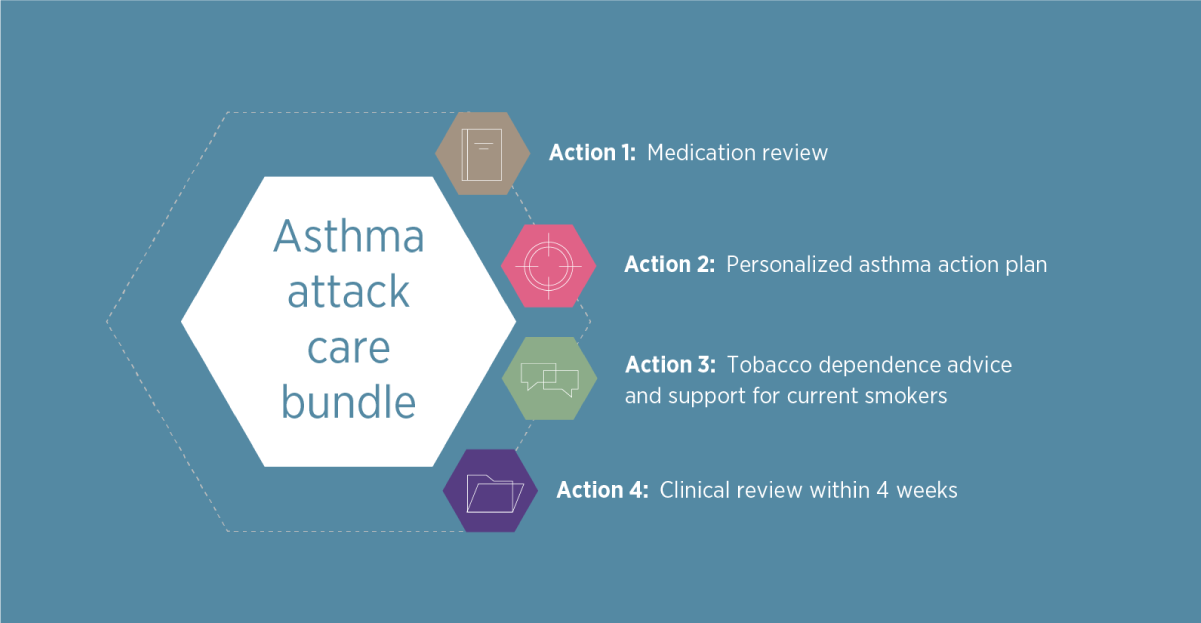
The British Thoracic Society has established an asthma attack care bundle to improve patient outcomes by focusing on 4 key elements after an asthma attack. The bundle can be used in any healthcare setting for patients from 16 years of age.

Making schools ‘asthma friendly’

Schools, hospitals and an alliance of providers in a region of the UK are collaborating on an Asthma Friendly Schools project. The initiative is enrolling and supporting local schools to help improve the care of pupils with asthma by delivering training, resources and support.

For a school to become Asthma Friendly, staff must complete asthma awareness training and ensure an asthma policy is in place. The school must also track inhaler use and monitor when inhalers need replacing, which can flag the need for an asthma management review. In this way, the school can support children with asthma, helping to prevent escalation and improve overall care.

The project was a finalist for the HSJ* "Most Impactful Partnership in Preventative Healthcare" award that recognizes effective collaboration in healthcare.


* HSJ: Health Service Journal

AI software cuts missed hospital appointments

A pilot of AI saw a 30% reduction in non-attendances over 6 months in an NHS trust, an integrated healthcare system, in England. Almost 380 missed hospital appointments were prevented and over 1900 extra patients seen. The estimated annual cost saving was £27.5 million.

The AI software uses anonymized data to predict a likely missed appointment. Using a range of information, such as the weather and working patterns, the AI breaks down the reasons for non-attendance and offers back-up bookings at convenient times.


The AI software is being rolled out in 10 more NHS trusts across England.

CC-MED-5-05/2025

15 λεπτά

Διαμοιρασμός περιεχομένου